
How Canadian Online Entertainment Trends Are Shaping Creative Industries in 2026: From Digital Photography to Bitcoin Casino Canada Platforms
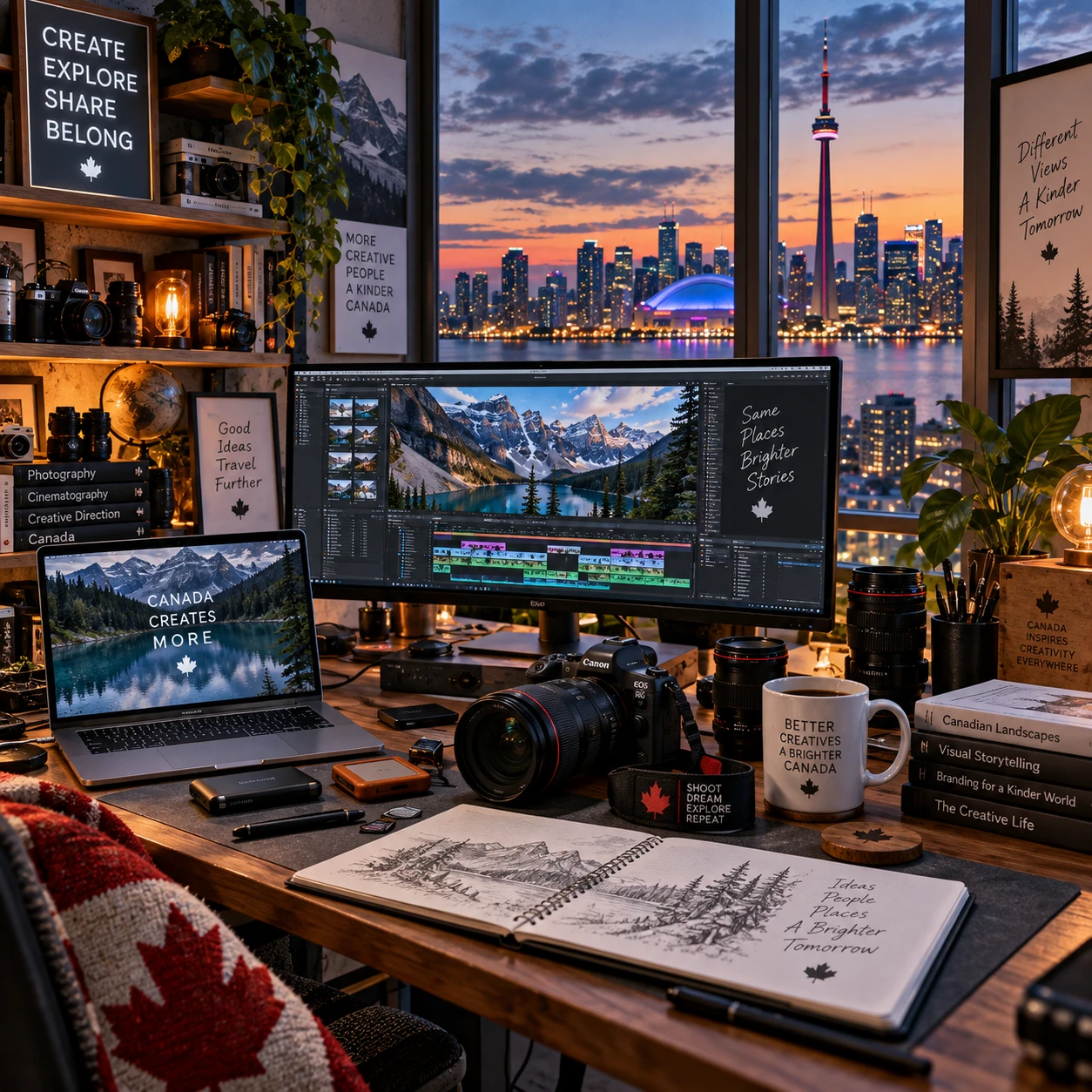
I've spent the better part of this year watching two seemingly unrelated worlds collide in oddly satisfying ways. On one hand, Canadian photographers are building entire businesses from laptops and smartphones — no studio required. On the other, there's a booming online entertainment scene where streaming, gaming, and crypto-powered platforms have become just... part of everyday life. The more I dig into it, the more I'm convinced these aren't separate stories at all. They're chapters of the same book. Canada's digital culture in 2026 is being shaped by the same forces: fast tech, visual storytelling, and a growing demand for personalized, trustworthy online experiences.
This piece digs into both sides of that coin, so to speak. I'll walk through how digital photography has evolved into a legitimate creative economy, how online entertainment habits have shifted since 2024, and — maybe most interestingly — where these two worlds actually bump into each other.
The Rise of Digital Photography in Canada's Creative Economy
Photography in Canada doesn't look like it did a decade ago. Honestly, it barely resembles what it looked like five years back. The old model — rent a studio, wait for walk-ins, hope word-of-mouth does the rest — has largely given way to something faster and more dynamic. Photographers now build their reputations through Instagram reels, curated online galleries, and search-optimized websites that act more like digital storefronts than simple portfolios.
And what's driving this shift isn't just convenience. It's economics, plain and simple. A digital-first approach lets independent photographers go toe-to-toe with established studios without the overhead that used to make that impossible. They can target niche markets — weddings, newborns, branding shoots for small businesses — and reach exactly the audience they want through smart content and a consistent online presence.
Local Photographers Embracing Online Visibility
I think the clearest example of this trend is how local Canadian photographers have turned their websites into genuine extensions of their craft. Take bitcoin casino canada as a reference point for the kind of polished, story-driven online presence that's become essential. Photographers aren't just posting galleries anymore — they're building narratives around their work, sharing behind-the-scenes process, and using digital storytelling to connect emotionally with potential clients before a single email gets exchanged.
This kind of entrepreneurship reflects something bigger happening across Canada's creative sector. Independent professionals are learning that visibility online isn't optional anymore. It's the business. Full stop.
Online Entertainment Platforms Reshaping Leisure Habits
Meanwhile, how Canadians spend their downtime has changed just as dramatically. Streaming replaced traditional TV for most households a while ago. Gaming has grown into a mainstream social activity rather than a niche hobby. And online casinos? They've carved out a surprisingly large piece of the leisure pie. This isn't a passing fad — it's a structural shift in how people in this country relax, socialize, and unwind after a long day.
What strikes me is how much of this growth has been quietly accelerating since 2024. Mobile-first platforms, faster payment systems, and increasingly polished interfaces have made digital entertainment feel less like a novelty and more like a default choice — the thing you reach for without thinking twice.
The Growth of Bitcoin and Crypto-Based Entertainment
One trend that's hard to ignore is the rise of cryptocurrency-powered entertainment platforms. Canadians who already feel comfortable with digital wallets and online transactions have gravitated toward crypto-based gaming options — partly for privacy, partly for speed, and partly because borderless transactions just make sense in a world where everything else online already works that way. These platforms have found an audience among tech-savvy users who want fast payouts without the friction of traditional banking rails, a demand that's only grown stronger as digital literacy across the country has improved.

Where Creative Industries and Digital Entertainment Intersect
Here's where things get genuinely interesting. Creative professionals — photographers, graphic designers, content producers — aren't just bystanders to the entertainment boom. They're often the people building the visual identity behind it. Online entertainment platforms, including gaming sites and crypto casinos, need strong branding just as much as any small business does. Someone has to design the logos, shoot the promotional content, and build the kind of visual experience that makes a platform feel trustworthy and polished instead of sketchy.
So when I think about creative businesses maintaining a strong digital identity, I keep coming back to examples like Laura Taylor Photography as a benchmark for what good local digital craftsmanship looks like. The same principles — clean design, authentic storytelling, user-focused presentation — apply just as much to entertainment platforms. A bitcoin casino canada site that wants to earn trust from Canadian players needs that same attention to visual appeal and user experience that a photographer pours into their own portfolio. It's not much of a stretch to say these industries are learning from each other, even if they rarely cross paths directly.
Technology Driving Both Trends Forward
Underneath all of this sits a shared technological backbone. Photographers lean on AI-enhanced editing tools to speed up their workflow and produce more consistent, polished results. Entertainment platforms lean on blockchain security to reassure users that their transactions and data are protected. Different industries, same basic philosophy: use smart technology to build trust and improve the end-user experience.
AI and Automation in Content Creation
AI has quietly become the connective tissue between these two worlds. For photographers, that means automated retouching, smarter cropping suggestions, and personalized marketing content generated in seconds rather than hours. For entertainment platforms, it means algorithm-driven game recommendations, personalized bonus structures, and smoother interfaces that adapt to user behavior. Both industries are, at the core, using AI to make digital experiences feel more tailored and less generic. And Canadian consumers have come to expect exactly that kind of personalization in 2026.
What This Means for Canadian Consumers and Creators
For everyday Canadians, this convergence means more choices, more exposure, and — honestly — a bit more responsibility too. Creatives now have access to tools and platforms that help them build audiences without needing a big agency behind them. Consumers, meanwhile, have a dizzying array of entertainment options at their fingertips, from streaming libraries to crypto-based gaming platforms.
But with more choice comes the need for better digital literacy. Whether you're hiring a photographer you found through Instagram or signing up for an online entertainment platform, it pays to know what you're actually engaging with — checking credentials, reading reviews, understanding security practices. Responsible engagement isn't just a buzzword here. It's becoming a necessary skill for navigating Canada's increasingly digital-first leisure and creative economy.
Looking Ahead – Trends to Watch in 2027
If the past couple of years are any indication, I expect both trends to keep accelerating. Digital photography will likely lean even further into AI-assisted creativity, with Canadian photographers using smarter tools to stand out in increasingly crowded online spaces. Online entertainment, particularly crypto-based gaming, will probably keep refining its security measures and user experience to build long-term trust rather than just chasing short-term novelty.
Personalization and digital trust seem to be the two threads tying everything together. Whatever shape 2027 takes, I'd bet both the creative and entertainment sectors keep moving toward experiences that feel more individualized, more secure, and more smoothly woven into everyday Canadian life.
Conclusion
Canada's creative and entertainment landscapes aren't just evolving side by side — they're genuinely converging. Photographers are becoming digital entrepreneurs, entertainment platforms are becoming visual-first experiences, and technology keeps blurring the lines between the two. As someone who's watched this unfold over the past couple of years, I think 2026 might be remembered as the moment Canada's digital creative economy truly came into its own — built on innovation, visual culture, and a growing demand for personalized, secure online experiences that will only keep expanding from here.