
How Canadian Players Can Safely Use Bitcoin at Online Casinos in 2026: A Complete Guide to Deposits, Withdrawals, and Choosing Trusted Bitcoin Casinos

I've watched the gambling scene in Canada shift pretty hard over the past couple of years, and nothing's changed the game quite like Bitcoin. More Canadian players than ever are ditching Interac e-Transfers and credit cards for crypto — and once you dig into why, it actually makes sense. Faster payouts. More privacy. Way fewer banking headaches. That's a tough combination to beat.
But with that convenience comes a learning curve, especially around staying safe. I've made a few mistakes along the way (who hasn't?), so this guide walks through everything you need to know about using Bitcoin at online casinos in 2026 — from setting up your first wallet to spotting the operators actually worth trusting with your money.
Why Canadian Players Are Turning to Bitcoin Casinos in 2026
Canada doesn't have one federal framework governing online gambling the way some countries do. What it has instead is a patchwork of provincial rules and a lot of grey area for offshore platforms. Crypto stepped into that gap as a surprisingly practical fix.
Bitcoin transactions settle faster than most bank transfers. They don't require handing your banking details to a third-party casino. And the fees? Often a fraction of what you'd pay through traditional channels. For players in provinces where local gambling options feel thin, Bitcoin casinos running under offshore licenses have become the go-to alternative — not a backup plan, the main plan.
There's a cultural shift happening too. Younger Canadian players already hold crypto for investing or everyday spending, so using it at a casino feels like a natural extension, not some big leap. Add in the appeal of decentralized payments — no bank freezing your transaction because it flagged 'gambling' as a risky category — and you start to see why adoption keeps climbing.
Legal Status of Bitcoin Gambling for Canadians
Here's the part people usually get wrong: playing at an offshore crypto casino isn't illegal for Canadian residents. The Criminal Code targets unlicensed operators running games within Canada, not individual players using licensed international platforms. That said, 'licensed' is the operative word here.
You want operators holding credentials from recognized jurisdictions like Curaçao, Malta, or the Isle of Man. Skip that step, and that's where most of the real risk actually lives — not in the act of using Bitcoin itself, which is honestly the least risky part of the whole equation.
How Bitcoin Deposits Work at Online Casinos
If you've never funded a crypto account before, the process looks intimidating at first. Then it becomes second nature after one or two deposits — I promise. The short version: you need a wallet, some BTC sitting in that wallet, and the casino's deposit address. That's it.
Choosing a Secure Wallet
Software wallets like Exodus or Electrum work fine for smaller, everyday gambling amounts. But if you're planning to move larger sums, a hardware wallet — a Ledger or Trezor, say — adds a real layer of protection against hacks. Worth the extra step, even if it feels like overkill at first.
For buying Bitcoin in the first place, Canadian exchanges like Shakepay, Bitbuy, and Coinsquare are solid picks. They're regulated domestically, support CAD funding, and make the jump from dollars to crypto pretty painless.
Making Your First Deposit
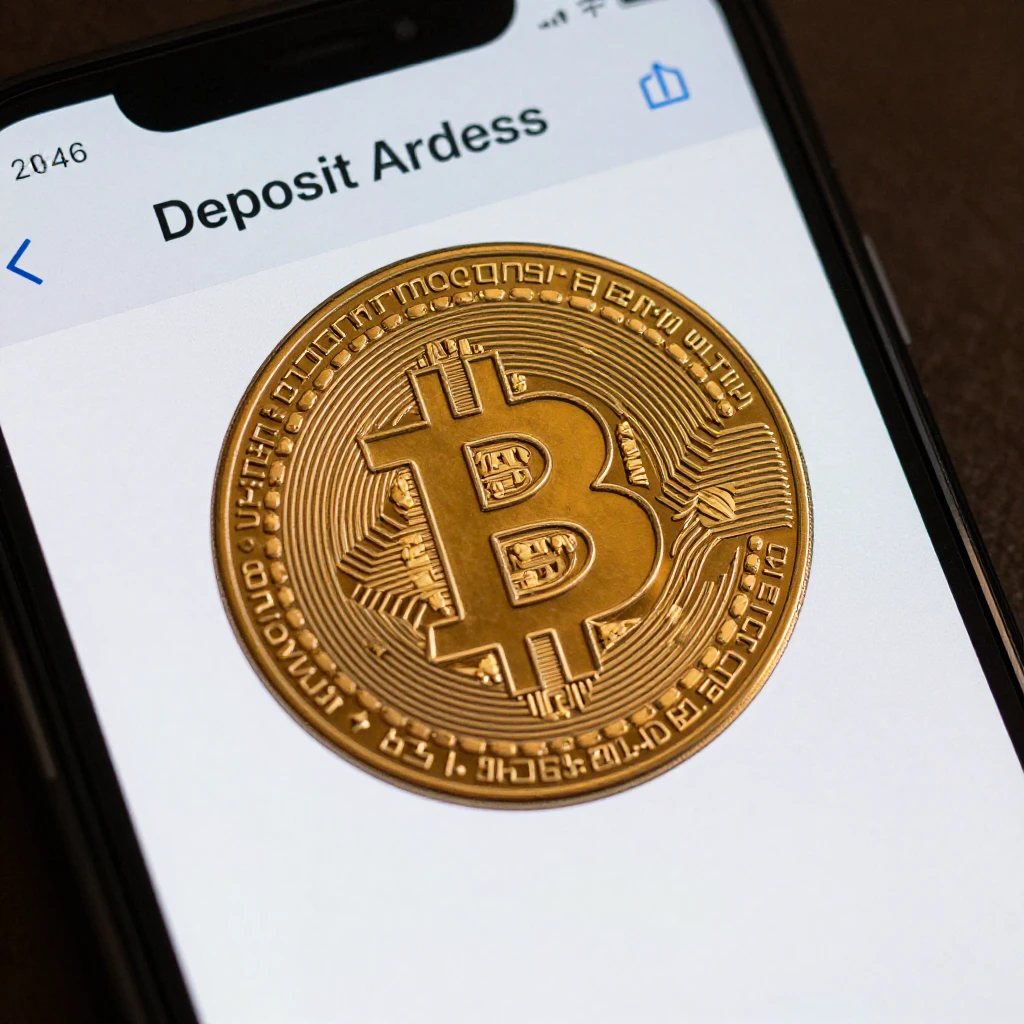
Once your wallet has funds, head to the casino's cashier page, select Bitcoin, and copy the generated deposit address exactly. Double-check every character — Bitcoin transactions can't be reversed, and that's not a detail worth getting lazy about. One wrong digit and that money's gone. For good.
Paste that address into your wallet, confirm the network fee (higher fees generally mean faster confirmation), and send. Most casinos credit your account after one to three network confirmations, which usually takes anywhere from ten minutes to an hour depending on how congested the network is.
Withdrawing Winnings Safely
Depositing is the easy part. Withdrawals are where a casino's real reliability shows up. Even crypto-friendly platforms typically require KYC verification before releasing funds — meaning you'll submit ID and sometimes proof of address, even if your deposits were anonymous.
Worth getting this verification done early, before you're sitting on a big win and itching to cash out. I say this from experience: nobody wants to be filling out ID forms while a withdrawal sits pending for days.
Always check a casino's withdrawal limits and processing times before you sign up. Some platforms cap daily or weekly crypto withdrawals, others take 24-48 hours to process requests manually. Reading these terms upfront saves a ton of frustration later — maybe the single most skipped step in the whole process.
Common Withdrawal Issues and How to Avoid Them
- Network congestion: Bitcoin transaction times fluctuate with network traffic. Avoid withdrawing during peak congestion periods if speed matters to you.
- Incorrect wallet addresses: Always paste rather than type addresses, and verify the first and last few characters before confirming.
- Unverified accounts: Submit KYC documents as soon as you register, not after you've won, to avoid delays at the worst possible moment.
How to Identify Trusted Bitcoin Casinos
With so many platforms competing for Canadian players' attention, separating the trustworthy ones from the questionable ones takes a bit of homework. Look for valid licensing displayed clearly on the site, provably fair gaming tech that lets you verify game outcomes independently, and transparent fee structures with no hidden withdrawal charges.
Community reputation matters too. Forums and review sites often reveal patterns that marketing pages conveniently leave out — the stuff a glossy homepage will never tell you.
Rather than researching every platform from scratch, I've found it genuinely useful to lean on curated resources that have already done the vetting. Sites like bitcoin casinos compile detailed reviews and side-by-side comparisons of licensing, payout speeds, and game selection — which saves a ton of time, and cuts the odds of signing up somewhere that looks polished but doesn't actually deliver when it's time to withdraw.
Red Flags to Watch For
A few warning signs should make you close the tab immediately: no visible SSL encryption on the site, vague or constantly shifting terms and conditions, withdrawal fees that seem designed to discourage cashing out, and customer support that's impossible to reach or goes dark for days.
If a casino's reluctant to answer basic questions about licensing or payout policy, that reluctance is the answer. Don't need to ask twice.
Security Tips for Canadian Bitcoin Gamblers
Protecting your funds goes beyond picking a reputable casino. Enable two-factor authentication on both your wallet and your casino account — it's a small step that blocks a huge percentage of account takeover attempts.
Be thoughtful about VPN use, too. It can add privacy, sure, but some casinos flag VPN traffic as suspicious, so check their policy first before you assume it's a free upgrade.
Never initiate a deposit or withdrawal over public Wi-Fi, since unsecured networks are a favorite target for intercepting sensitive data. And maybe the most important one: keep your private keys offline and never share them with anyone, including 'support staff' who ask for them. Legitimate platforms never need this information. Ever.
Taxes and Responsible Gambling Considerations
The CRA's stance on gambling winnings has traditionally treated casual wins as non-taxable. Crypto adds a wrinkle, though: converting Bitcoin to CAD, or using it for other purchases, can trigger capital gains considerations depending on your situation.
Keeping a simple record of deposit dates, amounts, and withdrawal values protects you if questions ever come up down the road. A spreadsheet takes five minutes to set up and saves hours of headache later — worth doing from day one, not after the fact.
Beyond taxes, responsible gambling tools matter just as much with crypto as with traditional payments. Set deposit limits in advance, track your session time, and use self-exclusion features if gambling starts feeling less like entertainment and more like a habit you can't shake.
Conclusion
Bitcoin has genuinely changed what online gambling looks like for Canadian players in 2026 — speed, privacy, and lower costs that traditional banking methods just can't match. But none of that matters if you end up on an unlicensed or shady platform.
Take the time to secure your wallet properly, verify licensing before depositing, understand a casino's withdrawal policies upfront, and keep responsible gambling practices front and center. Do that groundwork, and Bitcoin casinos can be a genuinely rewarding way to play — safely, and on your own terms.